Understanding the psychology behind gambling decisions in casinos
The Allure of Gambling
The world of gambling is fascinating, drawing millions into casinos and online platforms each year. The allure often lies in the promise of quick wealth and the thrill of chance. Psychological research indicates that the excitement generated by gambling can create a rush similar to that experienced in other high-stakes environments. This thrill can overshadow rational decision-making, leading individuals to act against their better judgment.
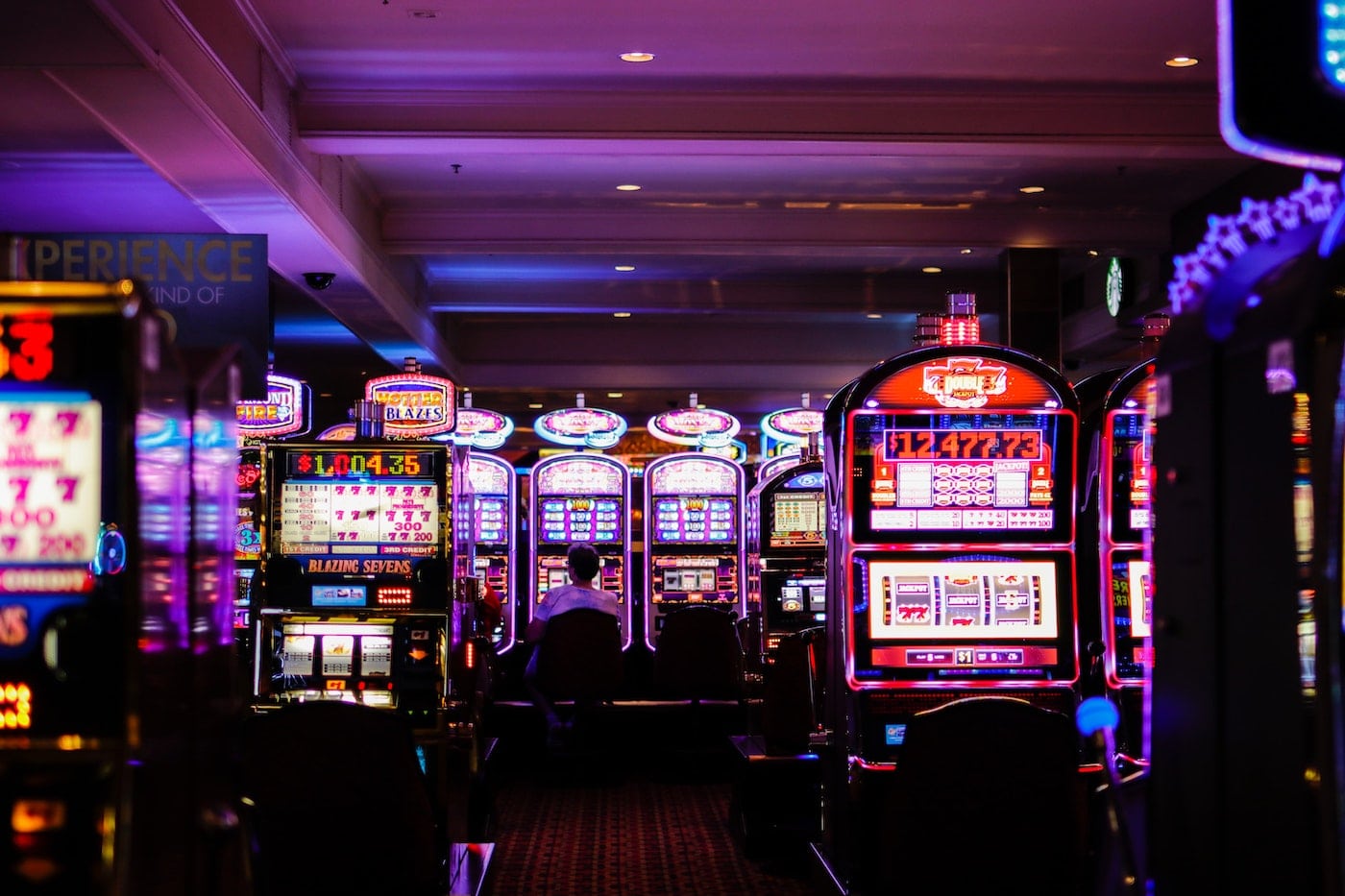
Additionally, factors such as sensory stimulation play a crucial role in attracting players. The vivid lights, sounds of winnings, and the atmosphere in casinos are intentionally designed to captivate and immerse gamblers. This sensory overload can create an emotional high, making it hard for players to walk away, even when the odds are not in their favor.
The Role of Cognitive Biases
Cognitive biases significantly influence gambling behaviors, often leading individuals to make irrational choices. One common bias is the illusion of control, where players believe they can influence outcomes in games of chance. For example, a gambler may feel that a particular strategy or method will yield better results, even when the game is inherently random.
Another prevalent cognitive bias is the confirmation bias, which leads players to remember wins more vividly than losses. This selective memory fosters a false sense of success and can encourage continued gambling despite unfavorable odds. Understanding these biases is essential for recognizing how they can distort decision-making in a gambling environment.
Emotion plays a pivotal role in the gambling experience, often driving decisions more than logic. High-stress situations can trigger impulsive behaviors, causing players to chase losses or make hasty bets. The emotional rollercoaster of winning and losing can create a cycle of behavior that is hard to break.
Moreover, many gamblers use gambling as a way to escape from everyday stress or emotional turmoil. This coping mechanism can lead to excessive play and poor financial decisions, as individuals seek comfort in the excitement of the game. Recognizing this connection between emotion and gambling can help individuals make more informed choices.
Gambling is often a social activity, where interactions with other players can influence decision-making. The social dynamics at play in casinos, including competition and camaraderie, can enhance the gambling experience. Players may be swayed by the actions of others, whether through peer pressure or the desire to fit in.
Additionally, social environments can amplify emotional responses. Celebrating wins with friends can create a sense of belonging, while losses may lead to collective frustration. Understanding these social influences is crucial for grasping how they can affect individual gambling choices.
Experience at Casea Casino
At , players can explore the thrilling world of online gaming in a secure and enjoyable setting. With a wide variety of games, including popular pokies and sports betting options, there is something for every type of gambler. The platform is designed with user experience in mind, providing easy navigation and robust customer support.
Moreover, offers generous welcome bonuses to enhance the gaming experience, making it an attractive choice for both newcomers and seasoned players. Understanding the psychology behind gambling can help users make informed decisions, ensuring that their time at remains entertaining and responsible.