The evolution of gambling through the ages A historical perspective
The Origins of Gambling
The history of gambling can be traced back to ancient civilizations, where activities like betting on games of chance and fortune-telling were common. Archaeological evidence suggests that the earliest forms of gambling appeared in China around 2300 BC, with the use of tiles to play a rudimentary game of chance. Similarly, the Greeks and Romans were known for their enthusiasm for gambling, utilizing dice and betting on various games and events. In recent times, players can enjoy games like Cricket Duel India, which combines traditional sports with a modern gaming twist.
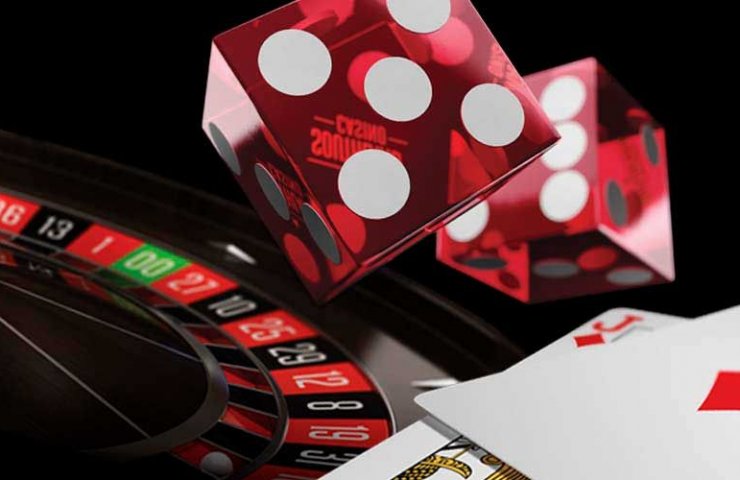
These early forms of gambling were often intertwined with religious practices, as people believed that luck was influenced by the gods. As societies evolved, so did the complexity of gambling activities, leading to the establishment of organized betting systems and the creation of games that involved skill and strategy alongside chance.
The Middle Ages and Its Influence
The Middle Ages saw a shift in the perception of gambling, often viewed with suspicion and moral apprehension. Laws were enacted in various regions to regulate gambling, and it became associated with vice and corruption. Despite this, gambling persisted, especially in the form of card games and dice. During this period, the invention of playing cards in Europe further transformed gambling, leading to a variety of new games and betting opportunities.
Casinos began to emerge during the Renaissance, where social gatherings involved games of chance, providing a controlled environment for gambling. These establishments laid the groundwork for modern gaming houses, as they combined entertainment with the opportunity for financial gain, influencing public perceptions and legality.
The Birth of Modern Gambling
The 18th and 19th centuries marked the beginning of modern gambling, characterized by the establishment of official lotteries and regulated betting establishments. In England, the first official lottery was set up in 1569, providing a legal framework for gambling. The rise of racetracks and betting shops during this period contributed to the increased popularity of gambling, especially among the middle class.
The introduction of slot machines in the late 19th century revolutionized the gambling scene, offering a new, easy, and accessible way to gamble. This innovation attracted a diverse range of players, solidifying gambling as a mainstream form of entertainment. The allure of casinos grew, leading to the birth of iconic gambling destinations such as Monte Carlo and Las Vegas.
The Digital Revolution and Online Gambling
The advent of the internet in the late 20th century transformed gambling yet again, making it accessible to a global audience. Online casinos and betting platforms emerged, allowing players to engage in gambling from the comfort of their homes. This digital shift opened up new opportunities for innovation, such as live dealer games and mobile gambling applications, providing a seamless gaming experience.
Regulatory challenges emerged as well, with governments grappling to control and manage the online gambling industry. However, the convenience and variety offered by online platforms have continued to fuel the growth of the gambling industry, reaching unprecedented heights and attracting millions of players worldwide.
Exploring the Future of Gambling
The future of gambling appears bright, with advancements in technology such as virtual reality and artificial intelligence set to redefine the gaming experience. As developers innovate and create more immersive environments, players can expect heightened engagement and interactivity. Blockchain technology is also making waves, providing transparency and security in transactions.
As gambling continues to evolve, societal attitudes will play a significant role in shaping its future. With a focus on responsible gambling and player protection, the industry aims to balance entertainment with ethical considerations, ensuring that it remains a safe and enjoyable pastime for all.